When it comes to commercial kitchens, the ventilation hood system is often seen as a necessary evil—a bulky, greasy fixture that constantly demands attention. But to view it merely as an expense is to miss a critical point: this system is the lifeline of your kitchen, and its longevity and efficiency are directly tied to proactive maintenance. Ignoring the grease and buildup lurking within these powerful metal structures is like putting a band-aid on a burst pipe; eventually, something significant is going to leak out, and the resulting repair bill will be much worse than the preventative measure. This comprehensive guide will walk you through exactly why routine, professional cleaning is not just recommended, but absolutely essential if you want to reduce maintenance costs with regular hood cleaning, keeping your operation running smoothly, safely, and affordably for years to come.
The Hidden Dangers of Neglecting Your Ventilation System
A dirty hood system does more than just look bad; it poses tangible risks to your business, your staff, and your bottom line. The grease, oil, and particulate matter that accumulate are not harmless dust bunnies. They are a volatile, combustible cocktail waiting for a spark. Understanding these risks is the first step toward mastering preventative care.
Fire Hazard and Safety Compliance
The most immediate concern is safety. Grease buildup creates a significant fire hazard. When grease cakes accumulate on filters, drip pans, and internal ducts, they become highly flammable. A minor electrical short or an open flame can ignite this buildup, leading to a catastrophic kitchen fire. Furthermore, building codes and local fire departments mandate strict cleaning schedules. Failing inspections due to grease accumulation can result in hefty fines and, worse, forced temporary or permanent closure of your establishment.
Efficiency Loss and Operational Drag
Grease isn't just a fire risk; it's a physical impediment. When filters are clogged or internal ducts are coated, the hood system loses its designed airflow capacity. This diminished performance forces your equipment (stoves, fryers, grills) to work harder, reducing efficiency and increasing energy consumption. Imagine trying to breathe through a clogged straw—it's frustrating and takes effort. Your kitchen hood should feel like a wide-open airway, not a clogged drainpipe.
Impact on Air Quality and Personnel Health
Beyond the obvious dangers, dirty hoods impact the air quality within your kitchen. Poorly functioning ventilation traps heat, steam, and odors, leading to a less pleasant working environment. Staff members report increased fatigue and sometimes even headaches due to poor air circulation. A well-maintained system ensures that the air is constantly being pulled out and replaced with fresh air, making the kitchen a more pleasant place to work.
Deep Dive into Cost Savings: How to Reduce Maintenance Costs with Regular Hood Cleaning
Some business owners view cleaning the hood as another unavoidable expense, an operational cost they simply have to absorb. However, viewing it through the lens of preventative maintenance changes that equation entirely. By investing in reduce maintenance costs with regular hood cleaning, you are actually making a strategic investment that yields significant financial returns.
Extending Equipment Lifespan
A dirty, struggling hood system puts undue strain on motors, fans, and electrical components. These parts are designed to operate within specific parameters. When they have to fight against excessive grease resistance and reduced airflow, they overheat and wear out prematurely. Regular cleaning ensures that all components operate at peak performance, dramatically extending the lifespan of expensive machinery. An anecdote I once heard from a restaurant owner was that after switching from DIY cleaning to professional, scheduled services, they noticed a marked decrease in motor overheating warnings and a substantial extension of their fan bearing lifespan—saving them thousands in emergency repairs.
Minimizing Downtime and Maximizing Revenue
Downtime is the silent killer of profitability. Nothing is more stressful than having a crucial piece of equipment fail right before a busy service. The most expensive repair isn't always the physical fix; it's the lost revenue from the hours the kitchen is closed. By consistently maintaining your hood system, you minimize the risk of unexpected mechanical failures, ensuring that your kitchen can operate at full capacity, day in and day out.
Avoiding the Cost of Emergency Repairs
Emergency repairs are always more expensive than planned maintenance. They require rush fees, overtime labor, and often involve replacing multiple components simultaneously because the initial problem (like a blockage) caused cascading failures. When you adopt a routine of expert cleaning, you are moving from a reactive, expensive model to a proactive, predictable one. It’s the difference between waiting for the alarm to blare and simply keeping the system humming along quietly.
The Science of Professional Cleaning: What to Expect
When we talk about "regular cleaning," we are not talking about a quick scrub with a bucket and brush. Professional hood cleaning is a specialized process that requires specific chemicals, advanced equipment, and certified expertise.
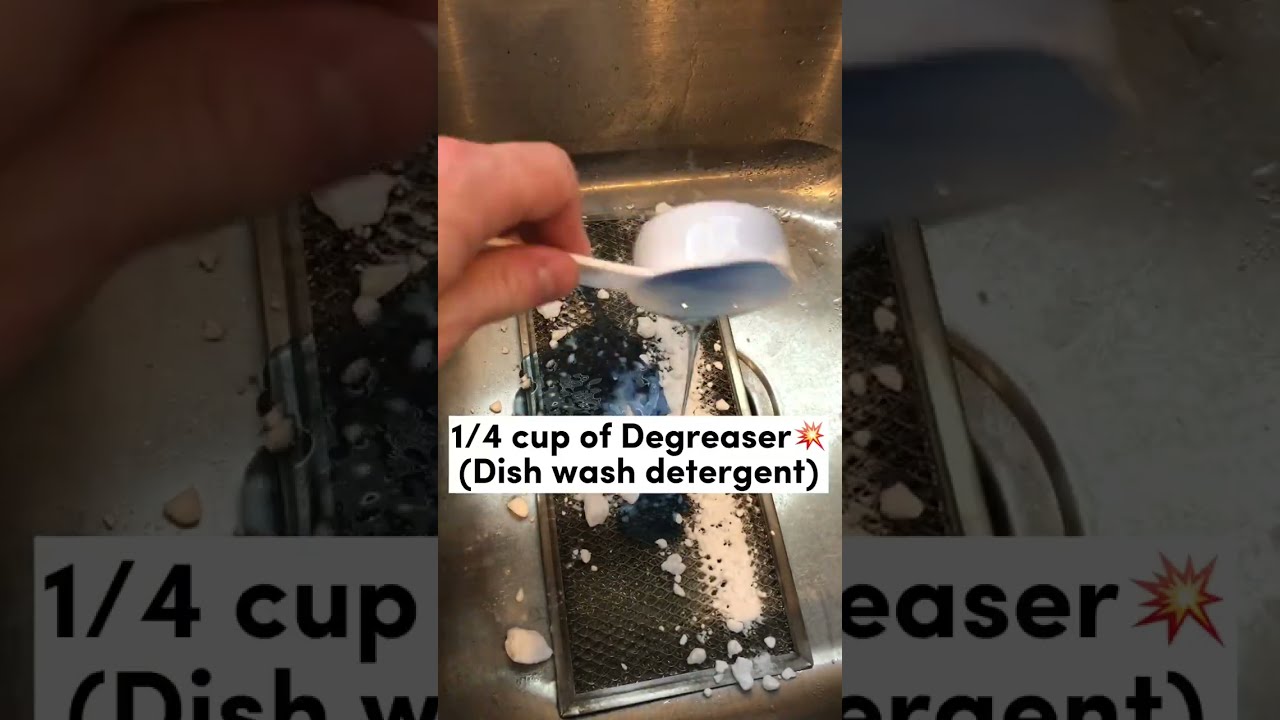
Understanding the Scope of Service
A comprehensive cleaning service involves far more than just scrubbing the visible filters. Technicians must access:
- Internal Ductwork: High-pressure vacuuming and chemical degreasing of the ducts. Grease Traps and Filters: Removal, cleaning, and replacement of all grease-holding components. Electrical Components: Inspection and cleaning of motors and wiring to prevent overheating.
"As the EPA states," a professional assessment is key. The scope of work must be tailored to your specific kitchen layout and equipment type.
Why DIY Cleaning Isn't Enough
While it’s tempting to try and tackle the grease buildup yourself, the complexity of the system means that DIY methods are often insufficient and potentially dangerous. Grease is corrosive, and the ducts and motors require industrial-grade cleaning agents and powerful vacuum equipment that the average homeowner (or even the average kitchen manager) does not possess. Furthermore, improper cleaning can actually push debris into areas that rangehood cleaning company Sydney NSW are harder to reach, making the problem worse.

Building a Sustainable Maintenance Strategy
To truly reduce maintenance costs with regular hood cleaning, you need to establish a predictable, non-negotiable maintenance schedule. This should be viewed as an operational utility, just like electricity or water.
Implementing a Predictive Maintenance Schedule
Instead of waiting for warning signs (like reduced airflow or visible buildup), implement a schedule based on usage and industry best practices.
- Daily: Visual inspection of filters and grease traps. Weekly: Basic cleaning of accessible surfaces and filters. Quarterly/Semi-Annually: Professional deep cleaning and inspection of the entire ductwork and motor system.
Are you treating your hood system as a temporary fixture, or as a long-term, critical piece of infrastructure?
Making Your Selection Count
Ultimately, the decision to prioritize professional, regular cleaning is the most impactful financial decision you can make regarding your kitchen's infrastructure. By addressing the grease buildup proactively, you are not just buying peace of mind; you are actively protecting your investment, ensuring compliance, and maintaining peak operational efficiency. Don't let a preventable buildup turn a manageable cost into a catastrophic expense. Partnering with a certified, trusted cleaning service is the surest way to keep your kitchen running safely and profitably.

HygieneXperts - Commercial & Residential Cleaning Services
12C Tungarra Rd Girraween NSW 2145 Australia,
61498203983